AI Meets Blood Pressure: The Cutting Edge of Personalized Prediction
How machine learning and wearable technology are revolutionizing continuous, cuff-free blood pressure monitoring
Blood pressure remains one of the most important vital signs in preventive healthcare. Traditionally measured with inflatable cuffs, standard techniques are effective in the clinic—but they can't deliver continuous, unobtrusive monitoring.
Recent advances in artificial intelligence (AI) and machine learning (ML) are changing that, giving rise to new approaches that estimate blood pressure from unconventional signals such as speech and photoplethysmography (PPG). Here's an overview of the state of the art and what it could mean for the future of self-monitoring and telemedicine.
Why AI for Blood Pressure Matters
Standard blood pressure monitors require a cuff and are typically used a few times per day at most. This episodic snapshot can miss important fluctuations and fail to capture patterns relevant to cardiovascular health.
Observing Blood Pressure from Speech
One surprising frontier of research uses speech signals as an input for blood pressure observation. A recent machine learning study explored transforming recordings of spoken sentences into estimates of systolic and diastolic blood pressure using a deep learning regression model trained on features extracted from speech.
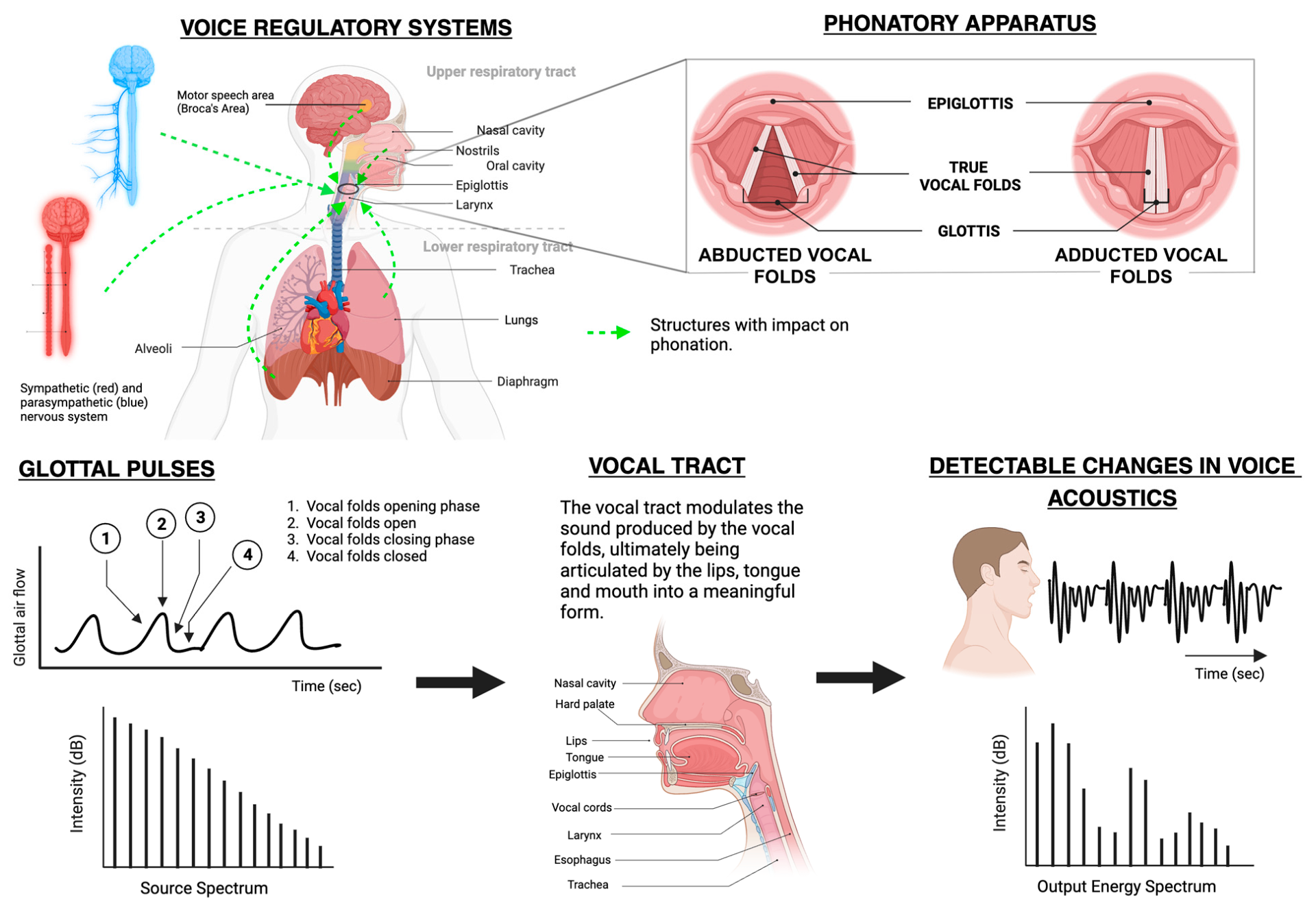
The researchers used a transformer-based architecture to analyze acoustic characteristics of voice and found statistically meaningful correlations between voice features and arterial pressure estimates.
Voice Contains Health Data
Vocal dynamics may reflect cardiovascular stress, sympathetic nervous system activity, or respiratory patterns that correlate with blood pressure.
AI Maps New Biomarkers
With enough data and careful feature learning, models initially developed for language tasks can be repurposed for biosignal interpretation.
Photoplethysmography (PPG): The Wearable Workhorse
Another rich source of data for AI-based blood pressure estimation is photoplethysmography (PPG). PPG measures changes in blood volume in the microvascular bed of tissue, typically using a simple optical sensor such as those found in many fitness trackers and smartwatch heart-rate monitors.
Researchers have developed deep learning models that take raw PPG signals (often combined with other biosignals like ECG) and directly estimate systolic and diastolic pressures. Convolutional neural networks (CNNs), recurrent layers, and attention mechanisms help these models learn temporal and spatial features associated with blood pressure fluctuations from large datasets.
Key Benefits of PPG-based AI
- Non-invasive, continuous data capture
- Compatibility with consumer wearable devices
- Ability to learn without handcrafted feature engineering
However, challenges remain—such as ensuring across-subject generalizability and robustness against motion artifacts, skin tone variations, and ambient light interference.
Toward Personalized, Hybrid Models
A promising trend is the integration of physiological modeling with data-driven AI, creating hybrid systems that combine domain knowledge with learned representations.
- Physiology-centered neural networks incorporate cardiovascular dynamics into the learning process, increasing interpretability and physiological plausibility.
- Transformers and attention-based architectures enhance the ability to spot complex patterns in long time-series PPG data.
Such hybrid approaches may strike the right balance between accuracy, interpretability, and clinical relevance, moving beyond purely statistical patterns toward models rooted in known hemodynamic principles.
Challenges and Future Directions
Despite exciting developments, there are important hurdles before AI-based blood pressure observation becomes mainstream:
Data Quality and Diversity
Models need training on large, diverse populations to generalize across age, sex, skin tone, health status, and activity levels.
Regulatory and Clinical Validation
To be adopted in clinical practice, AI systems must undergo rigorous validation and regulatory review to ensure safety and efficacy.
Integration with Daily Life
Designing solutions that work seamlessly on smartphones and wearables—without requiring frequent calibration—is key to widespread use.
Why It Matters for Self-Monitoring
AI-driven blood pressure estimation opens new possibilities:
- Continuous monitoring outside clinical settings
- Early awareness of hypertension or abnormal trends
- Integration with telehealth platforms
- Personalized feedback loops informed by daily-life data
As these technologies mature, they may transform how individuals and clinicians understand blood pressure dynamics—moving from isolated snapshots to rich, contextualized health profiles.
Start Tracking Your Blood Pressure Today
While AI-powered cuff-free monitoring is still emerging, you can take control of your cardiovascular health right now by logging your readings consistently.
Important Medical Disclaimer: LogMyVitals is a health tracking tool designed to help you monitor and log your vital metrics such as blood pressure, blood sugar, and weight. This platform is NOT a substitute for professional medical advice, diagnosis, or treatment. The information provided should not be used to diagnose or treat any health condition. Always seek the advice of your physician or other qualified healthcare provider with any questions you may have regarding a medical condition. Never disregard professional medical advice or delay seeking it because of something you have read or tracked on this platform. In case of a medical emergency, call your doctor or emergency services immediately.